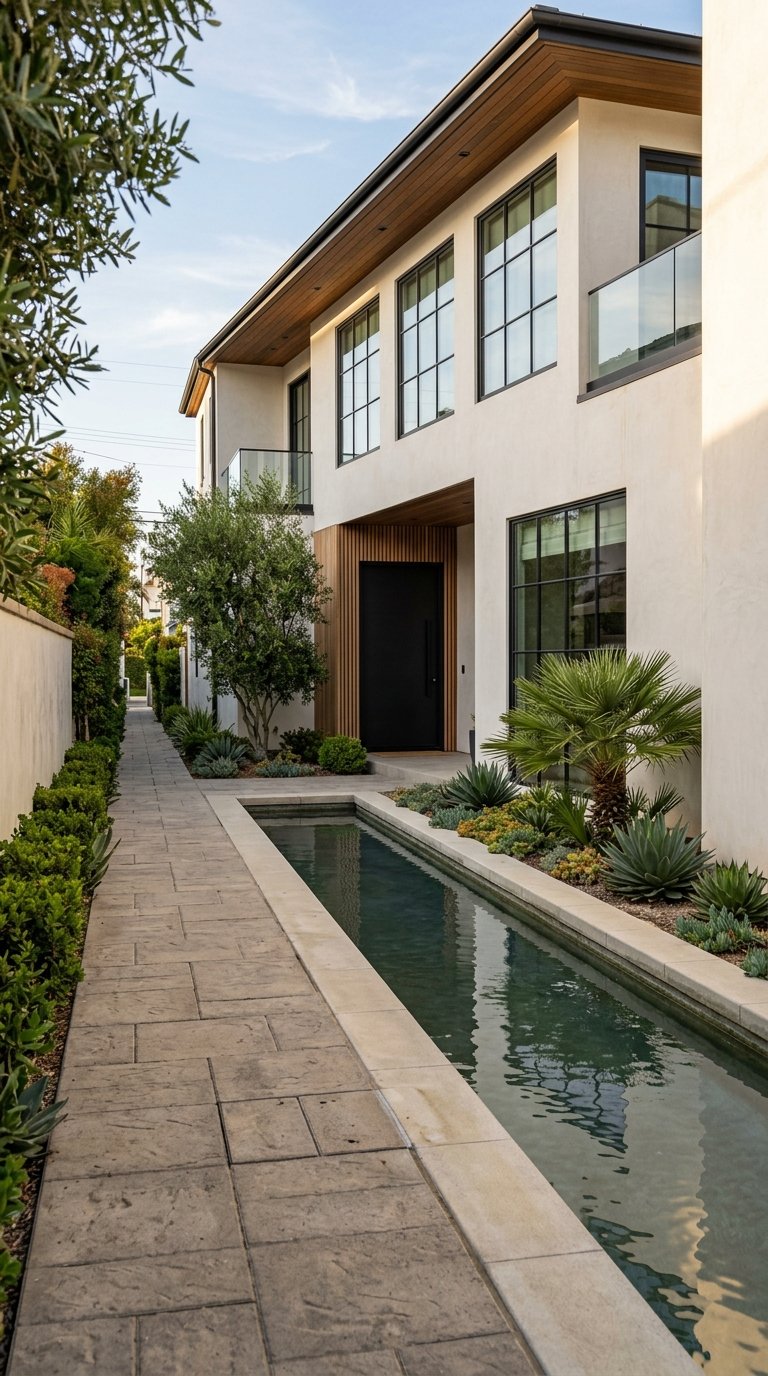
Ever wonder why a walk through certain parts of Venice feels quieter, slower, and more intimate than the rest of the neighborhood? If you have strolled the walk streets or circled the canals, you have probably noticed that the experience feels distinct from the busier stretches nearby. Understanding why can help you appreciate not just Venice’s charm, but also what makes these micro-neighborhoods so enduringly appealing. Let’s dive in.
Walk Streets Prioritize People
One of the biggest reasons Venice walk streets feel special is simple: they were planned for pedestrians. Venice’s Local Coastal Program treats designated walk streets as pedestrian rights-of-way, preserves them at their current widths for public access, and limits vehicle access to emergency vehicles.
That planning choice shapes the everyday experience. Instead of regular car traffic moving past front doors, much of the remaining right-of-way is reserved for low-impact uses like landscaping, patios, gardens, and decks. The result is a setting that naturally feels more relaxed and more connected to the street.
Rear Access Changes the Feel
On many Venice walk streets, vehicle access is pushed to rear alleys or courts rather than the front of the home. SurveyLA identifies this pattern as a defining trait in Venice’s historic walk-street districts.
That matters because it changes what you notice first. You are more likely to see front entries, plantings, porches, and windows rather than driveways and garage doors. It gives the street edge a more residential, human-scaled feel.
Historic Walk Streets Add Character
SurveyLA identifies two major walk-street historic districts in Venice: Milwood with 471 properties and North Venice with 448. Both are defined by modest lots, low-rise residences, and narrow concrete walkways that support pedestrian movement.
Many of the original homes in these districts were built in the early 20th century. The architecture includes Craftsman, Period Revival, and vernacular styles, which creates a layered streetscape that feels shaped over time rather than built all at once.
Milwood Feels Garden-Oriented
Milwood is noted for details like front-yard walls, fences, mature vegetation, and circular planting beds. These small design features may seem minor, but together they help create a soft, enclosed streetscape.
As you walk, the landscaping becomes part of the identity of the place. The path feels less like a corridor for movement and more like an outdoor room shared by neighbors and visitors.
North Venice Shows More Variety
North Venice includes one- and two-story single-family and multi-family residences, along with some larger apartment houses and commercial buildings. Even with that mix, the area still reflects the defining walk-street pattern of front-facing homes and pedestrian access.
This variety adds visual interest. It also helps explain why the area can feel layered and lived-in rather than uniform.
Design Standards Support Street Life
City planning standards for Venice walk streets require varied facades, ground-floor entries, and frequent windows facing the street. They also encourage elements like porches, bays, and balconies.
Those details do more than shape architecture. They support a more outward-facing relationship between the home and the walkway, which adds visual rhythm and makes the street feel active even when it is quiet.
The Canals Offer A Different Kind Of Calm
If the walk streets feel special because they prioritize pedestrians, the canals feel special because they center the experience around water. The Venice Canal Historic District is the last remaining portion of the original canal system and is recognized as a significant early example of community and recreational planning in a coastal marshland area.
The canals themselves are public property, while the homes along them are privately owned. That public-private relationship gives the area a rare character. You can enjoy the walkways and views while still sensing the intimacy of a residential setting.
The Canal District Has Been Carefully Preserved
The Venice Canals Association notes that the district was restored from 1991 to 1993 with new sidewalks, retaining walls, and planting along the walkways. That restoration helps explain why the district feels both historic and cared for.
You are not just seeing an old neighborhood that happened to survive. You are experiencing a place that has been intentionally maintained so people can continue to walk, linger, and enjoy the setting.
The Waterways Are Meant To Stay Quiet
The Local Coastal Program says the restored canal walkways are open for passive recreation such as bird watching, strolling, and sightseeing. It also limits boating to non-commercial, shallow-bottom, non-motorized craft in order to preserve a quiet ambience.
That means the canals are not designed for speed or heavy activity. They are meant to be experienced slowly, whether you are walking along the edge or using a human-propelled boat like a canoe, row boat, or kayak.
Canal Homes Blend Old And New
SurveyLA says original canal residences mainly date from the 1910s and 1920s and are mostly Craftsman houses with a range of Period Revival styles. Today, the canal district includes a broader mix that the Venice Canals Association describes as Venetian villas, Spanish casitas, rambling beach houses, ultramodern glass structures, and a few original one-story bungalows.
That architectural range is part of the appeal. It gives the canals a collected, evolving look where historic homes and newer custom designs share the same water-centered setting.
Why These Areas Feel Different From Busy Venice
Venice has more than one identity, and that contrast is part of what makes it memorable. The Local Coastal Program treats more active corridors like Ocean Front Walk and Windward Avenue as places that need pedestrian-oriented restoration, plazas, and stronger links to the beach.
Walk streets and canals serve a different purpose. They are residential rights-of-way and neighborhood waterways, not the main public activity corridors. That difference in circulation and land use helps explain why they often feel tucked away even within one of Los Angeles’ most recognizable coastal neighborhoods.
Small Details Reinforce The Atmosphere
Sometimes what makes a place feel special is not one major feature, but a collection of smaller ones. In the canals, visitors can come year-round without a ticket or reservation, parking is outside the district, and residents decorate the bridges for holidays.
The Venice Canals Association also notes community traditions like Canaloween and the July 4 rubber duck race. These details add personality and continuity, which can make the area feel both welcoming and deeply rooted.
What This Means If You Love Venice Real Estate
If you are drawn to Venice walk streets or canals, you are likely responding to more than location alone. You are responding to a built environment shaped by pedestrian planning, historic patterns, water access, and architecture that engages with the street.
For buyers, that can help clarify what kind of setting feels right. For sellers, it highlights why these homes often stand out through context as much as through square footage or finishes.
Venice is full of energy, but these pockets show a quieter side of the neighborhood. They feel special because they were designed, preserved, and lived in differently, and that difference is easy to feel the moment you arrive.
If you are considering buying or selling in Venice and want thoughtful guidance grounded in Westside neighborhood expertise, The Kohl Team is here to help.
FAQs
Are Venice walk streets actually car-free?
- In practical terms, yes. The Local Coastal Program limits vehicle access on designated walk streets to emergency vehicles, with regular access routed through rear alleys and private parking areas.
Can you walk along the Venice Canals year-round?
- Yes. The restored canal walkways are open for passive recreation, and the Venice Canals Association says visitors are welcome year-round.
Can you use a boat in the Venice Canals?
- Yes, but only non-motorized, human-propelled boats are allowed, such as row boats, canoes, and kayaks.
What types of homes are common on Venice walk streets?
- Walk streets are mostly lined with low-rise single-family homes and some small multi-family buildings, with many early 20th-century examples in Craftsman, Period Revival, and vernacular styles.
What types of homes are common near the Venice Canals?
- Canal-front homes range from historic bungalow-era residences to newer custom architecture, including Craftsman houses, Period Revival styles, Spanish-inspired homes, and modern glass structures.