Thinking about selling your classic Santa Monica Craftsman? The right updates and presentation can lift your price and shorten days on market without sanding away the soul that makes your home special. You want to honor the original woodwork and porch charm, yet deliver the comfort, efficiency, and safety buyers expect today. In this guide, you’ll learn what to preserve, what to upgrade, how to stage and photograph the home, and how to navigate Santa Monica’s preservation path with confidence. Let’s dive in.
What Santa Monica buyers want now
Many buyers love character, but they still want move-in ready. National research shows buyers place strong weight on reliable systems, efficient heating and cooling, and solid windows and doors, and that well-staged homes help them picture daily life there. You can see those priorities in the National Association of REALTORS 2024 buyer and seller highlights. Review the buyer preferences here.
At the same time, Santa Monica remains a high-value Westside market. Citywide prices clustered in the mid to high seven figures as of December 2025. Always price with block-specific comps and current market data, but it helps to keep broader context in view as you plan. See the current Santa Monica snapshot.
Protect the character buyers pay for
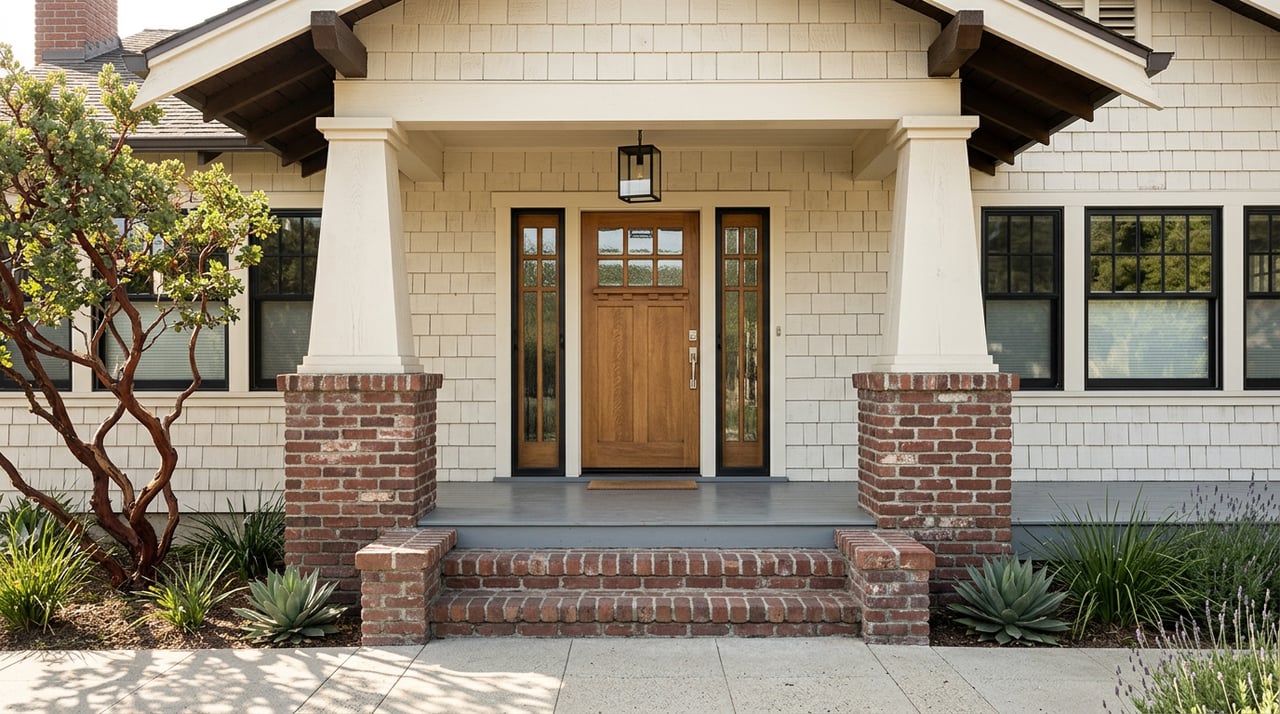
Craftsman homes are prized for handcrafted details. Preserve these where you can and feature them in your listing.
- Front porch and tapered columns with deep eaves and exposed rafter tails.
- Built-ins and inglenooks such as bookcases, a window seat, or a tile-surrounded fireplace.
- Original millwork and floors including wide casings, baseboards, and hardwoods.
- Multi-pane windows and period glass plus original doors and hardware.
- The home’s proportions including window rhythm and porch bays.
Preservation guidance recommends repair over replacement for character-defining elements. Align your decisions with the Secretary of the Interior’s Standards and related technical briefs. Explore the rehabilitation guidelines.
Make the right updates first
Start with safety and structure. Then move to the visible, high-impact upgrades buyers notice on a tour.
Safety, structure, and systems
- Seismic and structural: Southern California buyers care about earthquake readiness. If you have engineer-scoped bolting, soft-story mitigation, or other seismic work, document it. If you are planning updates, follow preservation-sensitive guidance, and keep your paperwork and permits ready for buyers to review. Read NPS Preservation Brief 41 on seismic rehab. Programs like Earthquake Brace + Bolt have offered grants at various times, including 2025. Confirm current eligibility and windows. Check the latest EBB program update.
- Electrical and fire safety: Older wiring can derail a deal. If needed, upgrade panels and circuits while protecting visible finishes. Reuse period fixtures where safe, and include inspection reports in your listing packet.
- Roof, foundation, moisture: Address leaks, visible rot, drainage, and foundation issues. If you must replace roofing, choose materials that respect the home’s profile and keep all warranty and permit documents.
Kitchens, baths, and comfort upgrades
Most buyers want modern function in these spaces. The best approach is a light-touch, sympathetic remodel that echoes Craftsman proportions and keeps sight-lines to original millwork.
- Keep or restore built-ins nearby, and choose cabinetry, tile, and lighting that harmonize with the period.
- Upgrade HVAC, water heater, and insulation for comfort and efficiency. Provide manuals and warranties at showings.
Buyers commonly lean toward move-in ready over full fixer. A balanced scope that blends function with character is often the sweet spot. See buyer priorities in NAR’s 2024 highlights.
Windows and energy choices
Original wood windows are part of your home’s identity. When possible, repair rather than replace and consider storm windows or interior solutions for efficiency. If replacement is necessary, match profiles and muntin patterns closely and document your decision. For broader energy upgrades, follow established preservation best practices. Explore energy and windows guidance.
Exterior and landscape
Curb appeal starts with the porch. Keep original details and railings intact, and refresh paint in period-appropriate tones. Use layered, low-maintenance plantings that fit the bungalow scale. Soften modern equipment with hedges without hiding the home’s form.
Know your preservation path in Santa Monica
Santa Monica maintains a Landmarks and Historic Districts program and a Historic Resources Inventory that can affect exterior work and timelines. Before you renovate or list, confirm whether your property is on the HRI or is a designated Landmark or Structure of Merit. Certain exterior alterations and demolitions for older properties may be reviewed by the Landmarks Commission. Learn about the city’s Landmarks program.
Ask your agent to help you pull permit history and HRI documentation for the listing packet. The HRI is a foundational reference for understanding status and context. Review the city’s HRI report.
Mills Act basics
If your home is a locally designated historic resource, you may be eligible for a Mills Act contract that can reduce property taxes in exchange for a maintenance and rehabilitation plan. Existing contracts transfer with the property, so sellers should disclose them and provide the plan to buyers. Program details and participation vary, so confirm current information with the City and consult local resources. Read the Santa Monica Conservancy’s overview.
Stage and photograph for design-minded buyers
Staging helps buyers see how they could live in your home. According to NAR’s Profile of Home Staging, a strong majority of buyer’s agents say staging makes it easier for buyers to visualize a property and can reduce time on market. Prioritize the living room, kitchen, and primary bedroom, and style to highlight original woodwork and built-ins while introducing crisp, modern furnishings. See the 2025 staging data.
Suggested photo shot list
- Primary exterior elevation with the full porch and eaves.
- Detail shots of tapered columns, railings, original door and hardware, or porch tile.
- Living room or parlor showing built-ins, an inglenook, and fireplace.
- Kitchen wide shot plus close-ups of period-friendly cabinetry or tile and modern appliances.
- Primary bedroom, built storage, and a hardwood floor detail.
- Close-ups of windows, leaded or stained glass, and original tile.
- Indoor-outdoor flow to yard, deck, or back porch.
- Neighborhood lifestyle notes like tree-lined streets or proximity to parks, shopping, and the beach. Caption with dates and factual context only. You can keep a pulse on market-level context here: Santa Monica overview.
Listing language that resonates
Use copy that connects care and authenticity with comfort and function. Examples include:
- “Well-preserved Craftsman with original oak built-ins and restored leaded glass. Sympathetic kitchen renovation blends modern function with period detail.”
- “Inglenook fireplace with original tile, wide casings, and hardwood floors. Updated systems, documented seismic work, and ready for daily living.”
Set clear expectations about historic review where relevant. If the home is designated or on the HRI, note that certain exterior changes may be subject to City review and that documentation is available in the packet. Learn more about Santa Monica’s review process.
Your pre-list action plan
Follow this focused checklist to protect value and streamline your sale.
- Confirm HRI or landmark status and any Mills Act or similar contracts. Note that Mills Act obligations transfer to the buyer. Include status documents in your packet. Start with the City’s resources and the Conservancy’s overview.
- Order pre-list inspections for structure and systems. If seismic work is recommended, review NPS guidance and check current grant programs. Keep all reports and permits. Use NPS Brief 41 as a guide.
- Make targeted safety and envelope repairs first. Address electrical, roof, drainage, and visible rot. Document scope, materials, and warranties.
- Consider sympathetic kitchen and bath updates with a clear return-on-prep plan. Preserve built-ins and millwork wherever feasible.
- Hire a pro stager and photographer who understands older homes. Stage to brighten, simplify, and showcase original details. Reference NAR staging stats.
- Assemble a complete listing packet: HRI or designation status, Mills Act documents if any, permits and warranties, inspections, and a short narrative of character-defining features.
- Price with true like-kind comps on your block and period. Use a current CMA and pair it with a clear marketing plan. For broad context, see the Santa Monica market snapshot.
Who to involve
- A preservation architect or consultant if your scope touches character-defining elements. Align with the Secretary’s Standards and NPS briefs. Review the rehabilitation guidelines.
- A structural engineer with historic retrofit experience and a contractor familiar with Landmarks Commission processes. Share NPS Brief 41 with your team.
- Local preservation resources like the Santa Monica Conservancy for neighborhood history and Mills Act context. Explore their resources.
Sell the story without losing the soul
The strongest Santa Monica Craftsman listings balance authenticity and ease. You spotlight the porch, woodwork, built-ins, and glass. You deliver safety, comfort, and efficiency behind the scenes. You stage and photograph with restraint so buyers feel both the history and the light, livable flow. That combination is what design-minded Westside buyers respond to.
Ready to position your Craftsman for today’s market with a plan tailored to your block, your house, and your goals? Reach out to The Kohl Team for design-led guidance, local expertise, and concierge selling support. Request Your Complimentary Home Valuation.
FAQs
What should Santa Monica Craftsman sellers update first?
- Start with safety and structure: seismic and foundation work, electrical, roof, and moisture control, then move to kitchens, baths, and comfort upgrades that respect original character.
How do Santa Monica landmark rules affect my sale?
- If your home is on the HRI or designated, certain exterior changes and demolitions may be reviewed by the Landmarks Commission, so confirm status early and include documentation. Learn about the program.
Do Mills Act tax benefits transfer to a buyer in Santa Monica?
- Yes. Mills Act contracts transfer with the property, and the new owner assumes the maintenance obligations, so disclose the contract and plan. See a local overview.
Are original wood windows a deal-breaker for buyers?
- Not necessarily; they are often a selling point if repaired and weatherized, and preservation guidance recommends repair over replacement when feasible. Review windows and energy guidance.
Does staging really help sell a historic Craftsman?
- Yes; NAR’s staging research shows it helps buyers visualize living in a home and can reduce time on market, especially when you highlight period details. See the 2025 staging report.
How should I price a historic Craftsman in Santa Monica?
- Use a current CMA with block-by-block comps and factor condition, provenance, and completed upgrades, while keeping an eye on citywide context. View the market snapshot.