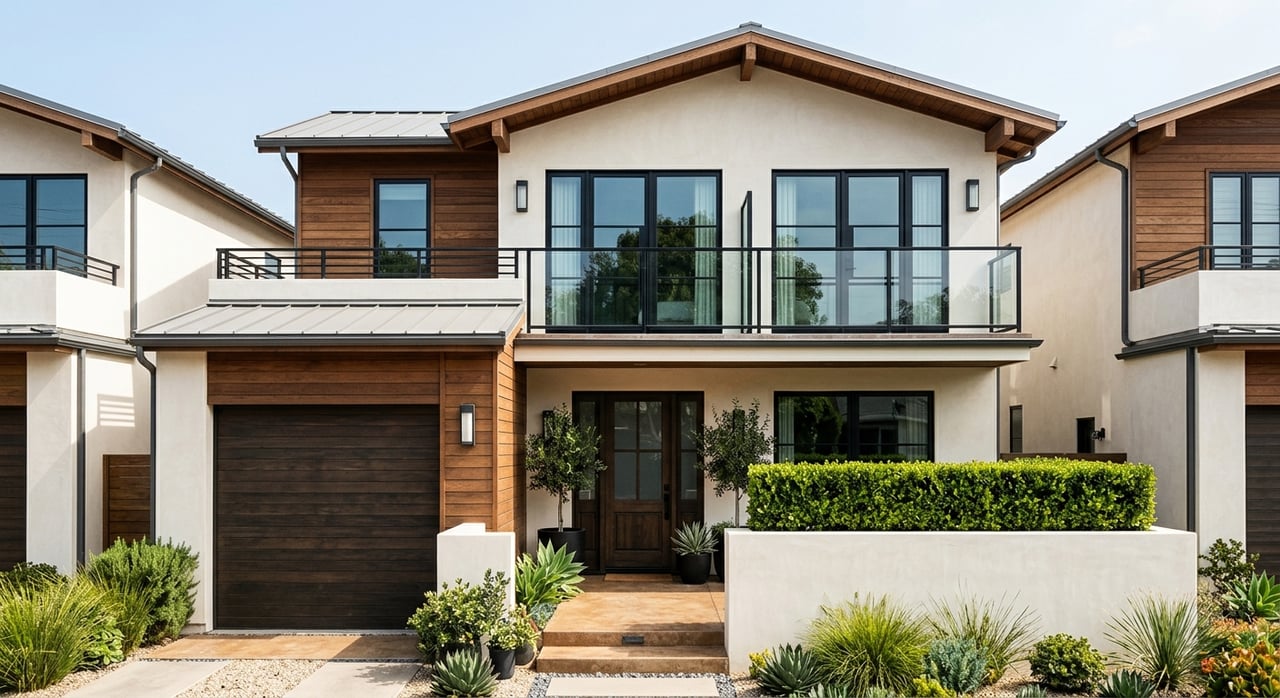
Choosing between a townhome and a condo in Santa Monica can feel simple at first, until you realize the label on the listing may not tell you much about how the property actually lives. If you want an easier beach lifestyle, better privacy, reliable parking, or a low-maintenance setup near downtown, the details matter more than the headline. This guide will help you compare the two with Santa Monica’s coastal context in mind so you can make a smarter, more confident decision. Let’s dive in.
Santa Monica Makes Small Differences Matter
Santa Monica packs a lot into a small footprint. The city covers 8.3 square miles, includes three miles of Pacific beaches, and has about 93,000 residents, with the daytime population growing to roughly 250,000 because of workers and visitors.
That density changes how buyers weigh space, parking, privacy, and upkeep. In a beach city where you may be walking to the Promenade, heading to the Pier, or catching the Metro E Line to Downtown Los Angeles in under an hour, even one extra parking space or a quieter layout can make a big daily difference.
Condo Versus Townhome Basics
Condo Is Legal Ownership
In California, a condo is a legal ownership form. The California Department of Real Estate explains that condo owners own their unit plus an undivided interest in the common area.
That common area can include features you might assume are fully private. Balconies, patios, doorsteps, and parking spaces may be classified as exclusive-use common area, which means you can use them, but they may still be governed by the association’s rules and documents.
Townhome Is Often Physical Style
A townhome usually describes how a home looks and functions, not the legal structure behind it. The California Department of Real Estate notes that there is no statutory definition of townhome in the Davis-Stirling Act, and attached homes can be created as condominiums or planned developments.
That means a home in Santa Monica that looks like a classic townhome may still operate like a condo community. You cannot tell ownership rights, maintenance duties, or HOA rules just by looking at the exterior.
Why This Distinction Matters
Two attached homes can feel similar on a tour and still come with very different responsibilities. One may offer more owner control over certain areas, while another may place more responsibility on the HOA.
Before you decide, you need to review the title report, CC&Rs, and HOA disclosures. In Santa Monica, that paperwork often tells you more than the floor plan alone.
How Daily Living Feels Different
Privacy And Noise
Many buyers see townhomes as more house-like because the layout is often side-by-side instead of stacked. That setup can reduce the feeling of living above or below neighbors, which some buyers prefer.
Condos can be stacked or arranged in a more communal format. Still, you should confirm the actual configuration because the legal type and the physical structure do not always match.
Outdoor Space
If outdoor space matters to you, look closely at what is truly included. In both condo and townhome-style communities, yards, patios, balconies, driveways, and parking spaces may be exclusive-use common area rather than privately owned space.
That does not automatically make them less useful. It simply means your rights and responsibilities may be shaped by the governing documents, so it is important to understand what you can change, maintain, or reserve for guests.
Maintenance And HOA Duties
For many buyers, maintenance is one of the biggest deciding factors. Under California Civil Code, the association is generally responsible for repairing, replacing, and maintaining common area unless the governing documents say otherwise.
That can make a condo appealing if you want a more lock-and-leave lifestyle. A townhome may still be low-maintenance, but the exact balance between owner and HOA responsibility can vary more than many buyers expect.
Parking Is A Bigger Deal By The Coast
In Santa Monica, parking is not a side issue. It is part of daily quality of life.
The California Department of Real Estate notes that parking can be deeded, assigned, or treated as exclusive-use common area. That difference matters in a compact coastal market where one secure garage space may feel very different from a shared arrangement or permit-dependent setup.
Santa Monica also manages parking through resident permits, preferential permits, and beach-specific overnight resident and guest permits for eligible addresses in the beach zone. If you are comparing properties near the coast, ask exactly how resident parking, guest parking, and city permit eligibility work before you fall in love with the finishes.
Location Can Outweigh Size
Living Near Downtown
Santa Monica’s appeal is unusually concentrated. The Pier is centrally located and easily reached on foot from downtown hotels, Santa Monica Place, and the Third Street Promenade, while Main Street sits just two blocks from the Pacific Ocean.
That means a slightly smaller condo near downtown can be the right fit if you value walkability and easy access to daily amenities. For some buyers, being able to step out for dinner, shopping, or the beach matters more than adding square footage.
Living Near The Beach
The city’s beach amenities create a lifestyle that is hard to replicate elsewhere. Santa Monica’s shoreline includes the Pier, the Annenberg Community Beach House, volleyball courts, Original Muscle Beach, playgrounds, and access to the Marvin Braude Beach Trail, which begins in Santa Monica and runs 22 miles to Torrance County Beach.
If you plan to use the coast often, proximity may shape your decision more than property type. A well-located condo can offer an easier day-to-day beach routine than a larger inland option.
Living Near Transit
Transit is another meaningful factor. The city says the Metro E Line connects Santa Monica to Downtown Los Angeles in under an hour.
Because of that, some buyers prioritize homes near downtown or near the station, even if the layout is more compact. If you commute, travel often, or simply want flexibility, location may matter more than whether the listing says condo or townhome.
Which Option Often Fits Different Buyers
Buyers Who Prefer Condos
Condos often work well for buyers who want lower-maintenance living and a simpler lock-and-leave setup. That can be especially appealing if you want to be close to downtown, the Promenade, the Pier, or transit.
Condos may also make sense for downsizers who want to simplify exterior upkeep. Since common-area maintenance is generally handled by the HOA unless the documents say otherwise, the day-to-day workload can feel lighter.
Buyers Who Prefer Townhomes
Townhomes often appeal to buyers who want a more house-like rhythm. Multiple levels, a more residential feel, and the possibility of more private-feeling outdoor space or direct-entry parking can be strong advantages.
They can also be a good starting point if you want more separation between living and sleeping areas. Still, you should confirm the actual ownership and maintenance structure because the format alone does not guarantee those benefits.
Buyers Thinking Long Term
If there is a chance you may rent the property later, the governing documents deserve extra attention. California law requires disclosure of rental or leasing restrictions in HOA paperwork.
That matters if you think the home could become a future pied-a-terre, investment property, or temporary relocation solution. A property that works beautifully today may feel less flexible later if the rules are tighter than expected.
What To Review Before You Buy
Before you choose between a Santa Monica condo and townhome, focus on the details that affect real life:
- Confirm whether parking is deeded, assigned, or exclusive-use common area
- Review the CC&Rs for rental limits and other use rules
- Read the annual budget and reserve funding disclosure summary
- Check which areas are private versus exclusive-use common area
- Compare the floor plan to how you expect to live over the next five to ten years
- Ask whether guest parking depends on city permits, HOA rules, or nearby public lots
Monthly dues also deserve close attention. Reserve funds are limited to major component repair, restoration, replacement, or maintenance, and annual budget materials must include an assessment and reserve funding disclosure summary, so the financial health of the HOA is a key part of the comparison.
The Best Choice Depends On Structure, Not Label
In Santa Monica, the better fit is rarely decided by the word condo or townhome alone. The smarter choice usually comes down to HOA structure, parking rights, outdoor-space use, maintenance obligations, and how close you want to be to the beach, downtown, and transit.
That is why a careful, design-aware, neighborhood-specific review matters so much here. When you understand how a property actually functions, not just how it is marketed, you can buy with more clarity and fewer surprises.
If you are weighing Santa Monica condos and townhomes and want thoughtful Westside guidance, The Kohl Team can help you compare the details that shape everyday living and long-term value.
FAQs
What is the main difference between a Santa Monica condo and a townhome?
- In Santa Monica, a condo is a legal ownership form, while a townhome is usually a physical style, so you need to review the title report, CC&Rs, and HOA documents to know what you are really buying.
Why does parking matter so much for Santa Monica coastal homes?
- Parking matters because spaces may be deeded, assigned, or exclusive-use common area, and Santa Monica also uses resident, preferential, and beach-zone permit systems that can affect daily convenience and guest access.
Are patios and balconies privately owned in Santa Monica condo and townhome communities?
- Not always. In many California common interest developments, patios, balconies, yards, and even parking spaces may be exclusive-use common area rather than privately owned space.
Are Santa Monica condos easier to maintain than townhomes?
- Often yes, because California law generally makes the HOA responsible for maintaining common area unless the governing documents say otherwise, but you should always confirm the exact maintenance split in the HOA paperwork.
What should you review before buying a Santa Monica townhome or condo?
- You should verify parking rights, read the CC&Rs, review rental restrictions, check the annual budget and reserve disclosures, and make sure the layout and location fit how you expect to live over the next five to ten years.