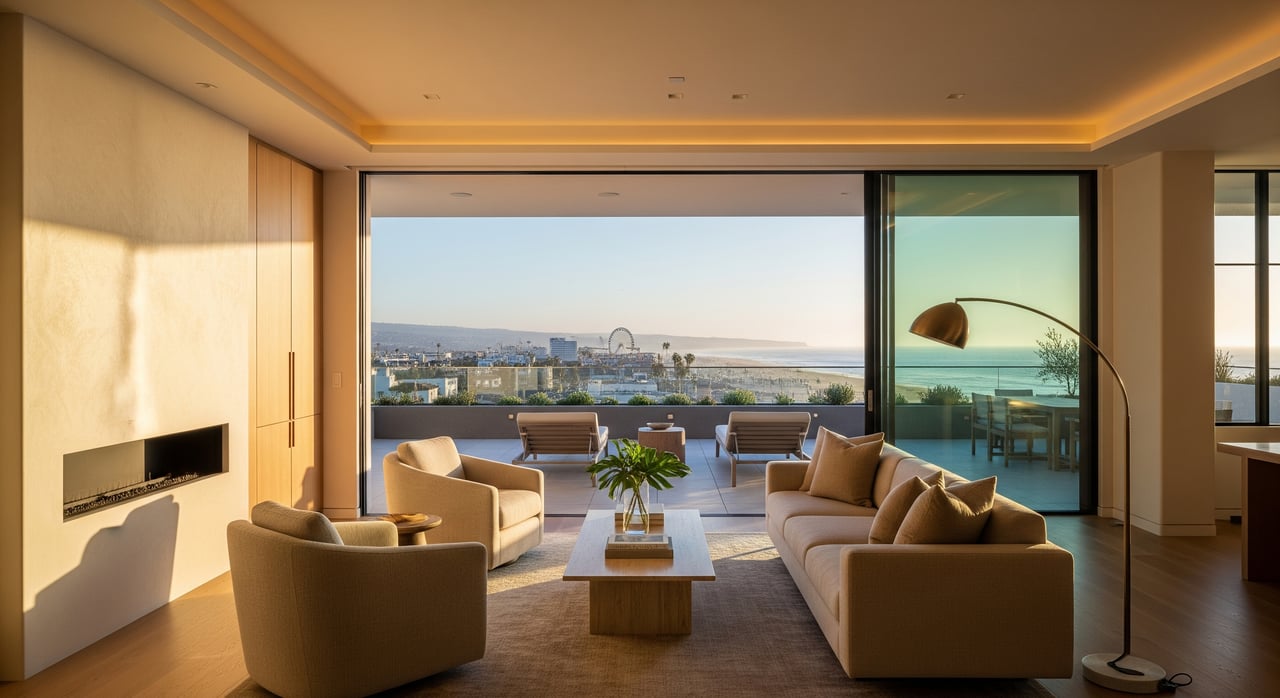
What is an ocean view worth in Santa Monica? The answer changes by floor, angle, building, and even the time of day. If you are planning to sell or buy an ocean‑view condo, you need a clear, local method rather than guesswork. In this guide, you will learn what drives price, how to make view adjustments from real comps, and which HOA and coastal factors can shift your number up or down. Let’s dive in.
What drives value for ocean‑view condos
View quality and orientation
The strongest price premiums come from unobstructed, panoramic views that face west toward sunsets. Angled or partial views usually command smaller premiums. Elevation matters because higher floors often reduce street noise and expand the view. Seasonal visibility can play a role, since Santa Monica’s marine layer is common in late spring and early summer and can affect perception.
Proximity to beach and key streets
Units closest to the shoreline, including Ocean Avenue and areas with easy access to the Promenade, often carry premiums for convenience and prestige. Distance inland typically lowers the view value and the overall price per square foot. Street orientation, especially along corridors that preserve sightlines, can make two similar condos trade very differently.
Building type and floor level
High‑rise luxury towers with full‑height windows, security, and concierge services tend to sell at higher price per square foot than low‑rise or vintage buildings. Within the same building, higher floors typically sell for more. Elevator access, hallway design, and floor plate consistency all influence buyer confidence and pricing.
Unit features and outdoor space
Thoughtful renovations, high‑end finishes, and layouts that frame the view increase appeal. A usable balcony or terrace adds marketable value beyond interior square footage. Glass railings and large sliders help the view feel bigger and can support stronger pricing.
Parking, storage, and amenities
Deeded parking and storage are important in an urban beach market where space is limited. A well‑equipped gym, pool, guest parking, security, and staffed services can widen the buyer pool. Higher HOA dues may be offset if they cover meaningful amenities or insurance.
HOA health and rules
Monthly dues affect carrying costs and affordability. Thin reserves, pending litigation, or special assessments can depress value. Rental restrictions, including short‑term rental prohibitions, influence investor demand and may narrow the buyer pool.
Insurance and environmental risk
Flood zone status, bluff or coastal erosion proximity, and sea‑level rise projections can affect insurance costs and buyer sentiment. Earthquake risk and any required seismic strengthening can drive assessments and influence price. Confirm what the master policy covers and what you must insure inside the unit.
Financing and warrantability
Condo project eligibility with agency guidelines can shape demand. If a building is not eligible with common lending programs, some buyers may be unable to finance, which can reduce price support. Work with a lender who understands project review standards and current investor ratio thresholds.
Santa Monica micro‑markets
Price tiers often follow location and view strength. In general, direct oceanfront and Ocean Avenue or PCH towers sit at the top. Units with easy access to the Promenade and ocean sightlines follow. Premium inland pockets like North of Montana can command strong prices but vary by view. Mid‑city and inland buildings with partial views usually sell for less per square foot than direct oceanfront options.
How to price with comps, step by step
Gather the right data first
Collect complete and recent comparable sales, ideally within the last 3 months, and up to 6 months in slower periods. Prioritize units in the same building or a highly similar nearby building. Capture details that move price:
- Interior square footage and bedroom/bath count
- Floor level and view orientation
- Balcony or terrace size and usability
- Parking and storage specifics
- Condition, renovations, and finish level
- HOA dues, what they cover, reserve strength, and any assessments
- Days on market and seller concessions on the comps
Adjust for size and features
Start by aligning the basics. Normalize for interior square footage and bedroom count. Then adjust for parking, storage, renovations, and outdoor space. Keep a clear worksheet so you can explain each adjustment.
Make evidence‑based view adjustments
After normalizing for core features, isolate the view premium by pairing comps with similar size, floor, and condition. Unobstructed, direct ocean views generally trade at the highest premiums, while partial or angled views add smaller premiums. Avoid national rules of thumb. Let paired sales from your micro‑market show the premium and document how you arrived at it.
Account for HOA dues and assessments
Convert dues into an annual carrying cost. If one comp has higher dues but includes broad insurance or utilities, you may offset part of that difference. Known or likely special assessments should be reflected in your pricing range and disclosed early.
Validate against current listings and pendings
Pressure test your price range against active and pending inventory in the same micro‑market. Confirm that your target price aligns with recent absorption and days on market. If you are at a premium, make sure the view, floor, and finish story clearly supports it.
Risks, rules, and disclosures to check
Coastal zone and local ordinances
Santa Monica is within the California coastal zone. Local coastal policies shape development, height, and certain improvements. When pricing, confirm whether building rules, setbacks, or view corridors affect future changes that could influence a view or marketability.
Short‑term rental and occupancy
The city has a strict approach to short‑term rentals, and many HOAs limit rentals as well. These rules affect investor interest and potential income assumptions. Review the HOA CC&Rs and city guidance so your pricing reflects the true buyer pool.
Flood, sea‑level, and seismic
Check flood maps and sea‑level rise projections to understand exposure and potential insurance needs. Review building age and any seismic retrofit status that could lead to assessments or higher operating costs. Buyers and lenders increasingly weigh these factors in long‑term value.
Insurance scope and costs
Clarify what the master HOA policy covers versus what owners must insure. Oceanfront exposure can increase premiums. Earthquake insurance is separate and common for condos in California. Confirming insurability and approximate costs helps avoid pricing surprises later.
Investor considerations
Income approach realities
If you plan to rent the unit, the income approach can inform value, but short‑term rental rules and HOA policies often limit assumptions. Confirm what is allowed and base projections on current, permitted rental scenarios.
Financing eligibility and buyer pool
If a building does not meet common lending standards, the number of qualified buyers may shrink. That can affect both time on market and price. Work with a lender who is familiar with condo project reviews so you can price with confidence.
Seller marketing moves that pay off
Present the view with intent
Use crisp photography and, where allowed, elevated shots that show the true view corridor. Show the view at different times of day to help buyers connect with the experience. Stage interiors to pull the eye toward windows and sliders so the view feels like the hero.
Disclose with clarity
Be upfront about HOA dues, assessments, reserve status, and any pending work. If there are seasonal fog patterns or partial obstructions, show them. Transparency builds trust and supports serious offers at your target price.
Anchor your price to proof
When you ask for a premium, back it up with paired sales and a simple explanation of adjustments. This gives buyers and appraisers a shared reference point and can reduce renegotiations after inspections or appraisal.
Buyer strategies to judge value
Compare by floor and angle first
Two units with the same square footage can feel very different depending on elevation and orientation. Line up comps by floor, then by view angle, before you weigh finishes and upgrades. You will get to a more accurate value faster.
Read the HOA like an investor
Review dues, reserve studies, and meeting minutes with care. Thin reserves or pending litigation may change your offer level. If the building is healthy, a higher price can be justified, especially if amenities are strong.
Stress‑test carrying costs
Price, HOA dues, taxes, and insurance belong in one monthly number. Comparing similar units by total monthly cost helps you see real value. This also prepares you for underwriting if you are financing.
Quick pricing and due diligence checklist
- Pull 3 to 5 closed comps from the same building or similar nearby buildings within the last 3 to 6 months.
- Document square footage, bed/bath, floor, orientation, balcony size, parking, storage, and interior condition for each.
- Normalize for size and features first, then isolate the view premium using paired sales.
- Convert HOA dues into annual cost and adjust for what they cover. Note any assessments or litigation.
- Confirm flood, sea‑level, and seismic considerations and what the master insurance policy includes.
- Validate your price range against current actives and pendings, plus recent days on market.
- If needed, consult a local appraiser experienced with Santa Monica ocean‑view condos for a pre‑listing check.
When you combine view quality, building profile, HOA health, and a clean comp set, you can price with confidence. If you want a design‑forward plan to showcase the view and a data‑driven strategy to support your number, reach out to The Kohl Team. Request Your Complimentary Home Valuation and let’s position your condo to win.
FAQs
How much does an ocean view add to a condo’s price in Santa Monica?
- The premium varies widely. Use recent paired sales of similar units to quantify it, with full unobstructed views typically commanding the largest premiums.
Are ocean‑view condos harder to finance in Santa Monica?
- Not by default, but project warrantability, investor ratios, and assessments can limit lender options. Verify building eligibility early to avoid delays.
Do high HOA dues reduce value when selling an ocean‑view condo?
- High dues increase carrying costs and may narrow demand, but strong amenities or broad insurance coverage can offset the impact for many buyers.
How do sea‑level rise and flood zones affect pricing near the beach?
- Exposure can increase insurance costs and influence buyer perceptions. Check flood maps and sea‑level projections and factor the findings into pricing.
What makes a condo project “warrantable” for common loan programs?
- Eligibility depends on factors like budget health, reserves, insurance, and investor ratios. A lender’s project review can confirm status and options.
What is the best way to verify a view premium before listing?
- Use paired sales in the same building or a very close peer building, adjust for size and condition first, then document the remaining view difference.