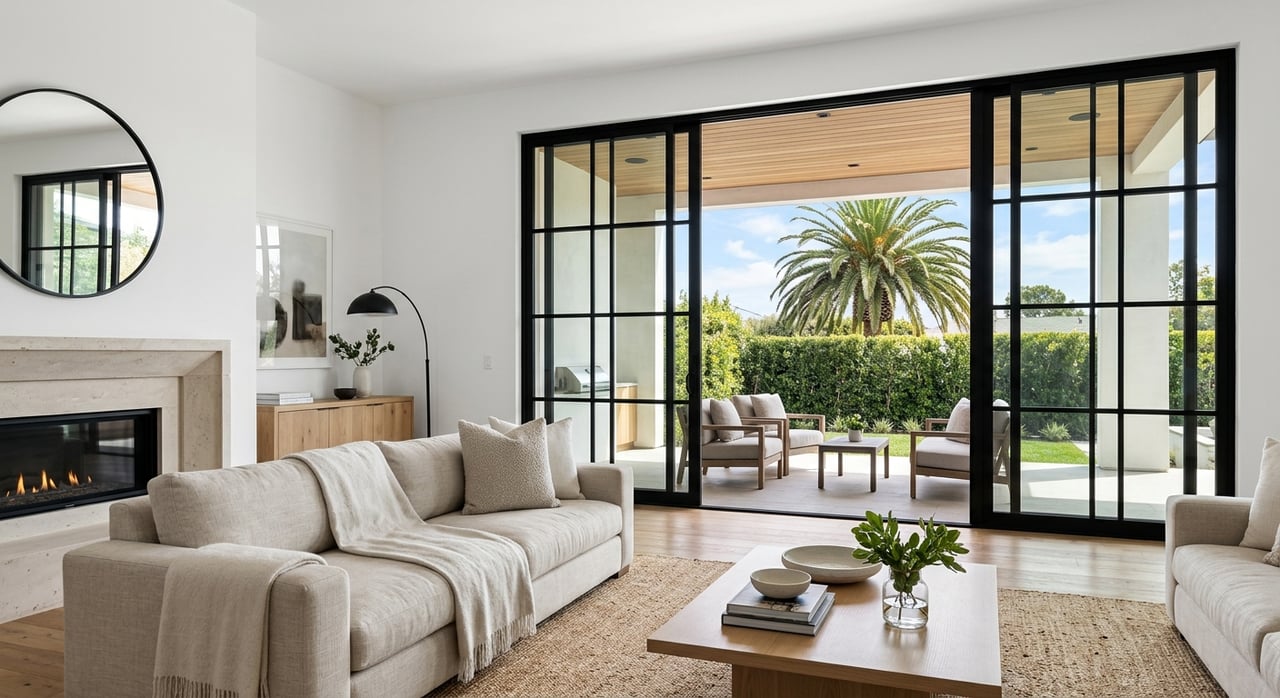
Selling in Pacific Palisades is rarely just about putting a sign in the yard. In a market where presentation, condition, and buyer confidence all matter, even busy homeowners need a smart plan before photos and showings begin. The good news is that you do not need a full remodel or weeks of disruption to get your home market-ready. With the right sequence, you can focus on the updates that matter most and avoid last-minute stress. Let’s dive in.
Why prep matters in Pacific Palisades
Pacific Palisades is a high-value market where buyers tend to pay close attention to how a home looks, feels, and functions. In March 2026, Realtor.com reported 316 homes for sale, a median listing price of $3.70 million, median days on market of 51, and a sale-to-list ratio of 96%.
Those numbers point to an important reality for sellers. You cannot assume a great location or strong fundamentals will carry the entire listing. In this market, polished presentation and visible upkeep can help your home compete more effectively from day one.
There is also a practical local layer that sellers cannot ignore. The Los Angeles Fire Department lists Pacific Palisades among the communities included in the City’s Very High Fire Hazard Severity Zone, which means buyers may notice exterior maintenance, defensible space, roof condition, vents, and other signs that a home has been thoughtfully maintained.
Start with the right listing-prep order
If your schedule is already full, the biggest mistake is doing tasks out of order. Buying new accessories or scheduling photos too early can waste time if repairs, records, or safety issues still need attention.
A low-stress sequence usually looks like this:
- Pre-listing audit of permits and property condition
- Repair triage and safety fixes
- Wildfire and landscape cleanup
- Paint and cosmetic touch-ups
- Deep cleaning and decluttering
- Staging
- Photography and video
- Market launch
This order helps you avoid rework and keeps the process moving. It also supports a cleaner disclosure process, which is especially important in California.
Check permits before you spend on polish
Before you refresh finishes or book a stager, confirm the paper trail for major work. The Los Angeles Department of Building and Safety says permits are generally required for new construction, additions, structural alterations, interior modifications, and other major work.
LADBS also notes that permitted work is not approved until it has been inspected and accepted. For sellers, that matters because permit and inspection records can become important documentation during a sale.
If you have completed an addition, conversion, major remodel, or system upgrade, verify whether permits were pulled and final sign-offs were issued. This step can save time later and reduce surprises once buyers begin asking questions.
Handle disclosures early, not late
California sellers should also think about disclosures at the beginning of listing prep, not at the end. The California Department of Real Estate’s RE 6 guide explains that the Transfer Disclosure Statement describes the condition of the property and must be given to a prospective buyer as soon as practicable before transfer of title.
The same guide makes another point that busy sellers sometimes miss. An inspection report does not automatically replace formal disclosure duties unless it covers the same subject matter, so an as-is strategy does not remove disclosure obligations.
For Pacific Palisades homes, natural hazard disclosure may also come into play. California Civil Code 1103 requires disclosure of whether a property is within a very high fire hazard severity zone when the statutory conditions apply, and that disclosure is handled separately from other required disclosures.
Fix what buyers will notice first
You do not need to rebuild your home before listing it. In most cases, the best return comes from addressing visible defects and maintenance items that distract buyers in photos or during showings.
A strong repair-first checklist includes:
- Verifying permits and final approvals for additions, conversions, or major system work
- Fixing leaks, cracks, damaged caulk, and worn finishes
- Addressing peeling exterior paint or obvious deferred maintenance
- Checking roof-related issues that may stand out during inspections or buyer walkthroughs
- Confirming smoke alarms, fire alarms, and other visible safety items are working
These are not glamorous updates, but they often matter more than highly customized pre-sale projects. They help your home read as well cared for, which supports buyer confidence.
Focus on touch-ups, not a full remodel
For busy sellers, this is often the most reassuring part of the process. The California Association of REALTORS® advises sellers to focus on small, relatively inexpensive improvements instead of major remodels.
That guidance includes practical items like neutral paint, new cabinet knobs, deep cleaning, decluttering closets and cabinets, fixing cracks and leaks, and keeping the exterior tidy. In other words, the goal is not to reinvent the house. The goal is to make it feel current, clean, and easy for buyers to understand.
This approach works especially well in Pacific Palisades, where many buyers are design-aware and quick to notice detail. Clean lines, fresh finishes, and a calm visual presentation usually do more for first impressions than taste-specific renovations completed in a rush.
Stage the rooms that carry the listing
Staging should feel strategic, not excessive. The purpose is to help buyers focus on space, light, flow, and livability rather than on the seller’s daily life.
According to NAR’s 2025 staging report, 29% of agents said staging increased the dollar value offered by 1% to 10%, and 49% said staging reduced time on market. Buyers’ agents also said staging made it easier for buyers to visualize the property as a future home.
For most Pacific Palisades listings, the highest-impact rooms are:
- Living room
- Primary bedroom
- Kitchen
- Dining room
- Entry
- Exterior approach
This is where a design-led plan can be especially valuable. Instead of decorating every corner, you edit the home so the strongest spaces feel effortless, proportional, and inviting.
Make photos count
Your online debut carries real weight. NAR’s staging report found that buyers’ agents rated photos, physical staging, videos, and virtual tours as highly important in the home search process.
That means you should not rush to photography before the home is fully ready. If cleaning, clutter, landscaping, or visible repairs are still unfinished, those details can show up immediately in marketing and weaken your launch.
For busy homeowners, this is where good coordination matters. Once the home is repaired, cleaned, and staged, photography and video can capture the property at its absolute best, rather than documenting a work in progress.
Wildfire prep belongs in listing prep
In Pacific Palisades, wildfire readiness is not a side note. It should be built into your pre-listing plan from the start.
CAL FIRE says homeowners should create and maintain 100 feet of defensible space, keep combustible materials away from the home, and use a 0- to 5-foot ember-resistant zone near structures. Its guidance also recommends debris removal around roofs, eaves, decks, windows, and doors, along with attention to ember-resistant vents and sealed gaps.
For sellers, that means exterior prep is about more than curb appeal. It is also about showing that the property has been maintained with local conditions in mind.
Tackle exterior details before showings
Some of the most important listing-prep work in the Palisades happens outside. Overgrown vegetation, debris near the structure, and neglected rooflines can raise concerns quickly.
Before marketing begins, consider prioritizing:
- Clearing debris from roofs, eaves, and gutters
- Cleaning up around decks, windows, and vents
- Trimming and maintaining vegetation as appropriate
- Removing combustible materials close to the home where possible
- Refreshing the approach so the exterior feels orderly and well maintained
LAFD’s brush-clearance tips also note that brush clearing should not be done during the hottest part of the day or on Red Flag Alert days, and that water and properly maintained equipment should be available. From a scheduling standpoint, that is one more reason to plan landscape and mitigation work early rather than leaving it for the final week.
A practical prep plan for busy sellers
If you want the process to feel manageable, think in terms of decisions, not endless to-dos. The goal is to create a clear path from occupied home to launch-ready listing with as little disruption as possible.
A concise seller plan often looks like this:
Week 1: Audit and assess
Review permits, identify visible repairs, and gather records for major work. This is also the right time to flag disclosure-related questions and note any fire-zone items that may require attention.
Week 2: Repair and secure
Address leaks, cracks, paint issues, worn finishes, safety items, and obvious exterior maintenance. Focus on what buyers will see immediately and what may come up during inspections.
Week 3: Clean up and refresh
Schedule deep cleaning, decluttering, and targeted cosmetic improvements. Keep the palette neutral and the presentation simple.
Week 4: Stage and market
Stage the key rooms, finish photography and video, and prepare for launch. By this point, the home should feel calm, polished, and ready for buyers to experience.
You do not have to do everything
Many sellers ask whether they can list without completing every possible update. The answer is yes, but there is a difference between skipping low-value projects and overlooking issues that affect presentation, documentation, or disclosure.
In most cases, you will get farther by handling the essentials well than by chasing a long wish list. A clean, maintained, thoughtfully edited home often shows better than a partially finished pre-sale renovation.
That is especially true when your time is limited. The smartest prep plan is the one that improves marketability, supports a smooth sale, and fits real life.
When you want a listing process that feels organized, design-savvy, and locally informed, The Kohl Team can help you prepare your Pacific Palisades home with a thoughtful plan tailored to your timeline.
FAQs
What should Pacific Palisades sellers do first before listing?
- Start with a pre-listing audit of permits, major work records, visible defects, and safety items before moving on to staging or photography.
Do Pacific Palisades sellers need a full remodel before listing?
- Usually no. California Association of REALTORS® guidance supports focusing on smaller touch-ups like paint, cleaning, decluttering, and minor repairs instead of major pre-sale renovations.
Which rooms matter most for staging a Pacific Palisades home?
- The living room, primary bedroom, kitchen, and dining room are often the highest-impact staging areas, with the entry and exterior approach also playing an important role.
Why does wildfire readiness matter when selling in Pacific Palisades?
- Pacific Palisades is in an area where buyers may pay close attention to defensible space, debris removal, vents, roof condition, and other maintenance details tied to wildfire preparedness.
Can Pacific Palisades sellers list a home as-is?
- Yes, but disclosure obligations still apply, and buyers will still respond to condition, maintenance, and how well the home presents online and in person.