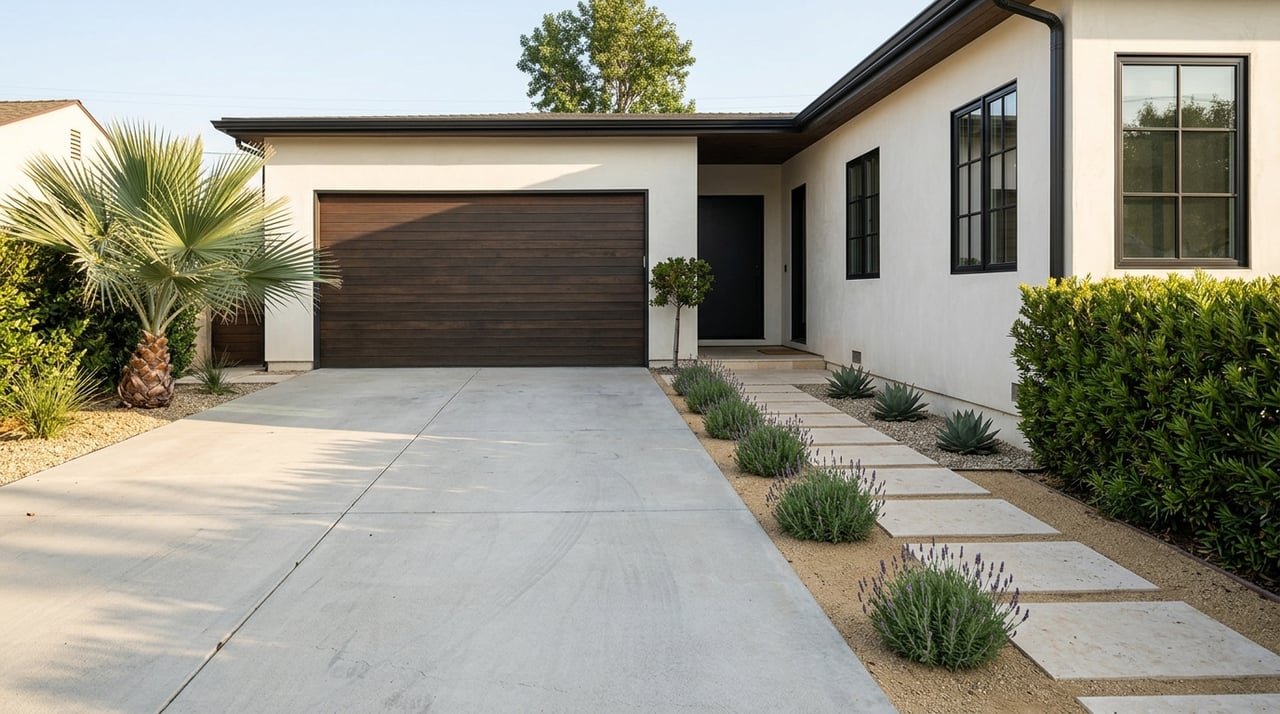
If you are comparing a traditional detached house with a small-lot home in Mar Vista, you are really comparing two different ways of living in the same Westside neighborhood. One often gives you more land, privacy, and separation. The other can offer a more compact, urban ownership option in parts of Mar Vista where denser infill is allowed. Understanding that difference can save you time and help you focus on the homes that truly fit your goals. Let’s dive in.
Why this comparison matters in Mar Vista
Mar Vista is not laid out as one uniform housing type. It sits within the Palms-Mar Vista-Del Rey Community Plan Area, where city planning documents show a clear pattern between lower-density detached-home streets and denser corridor-oriented locations.
That pattern helps explain why single-family homes and small-lot projects do not appear evenly across the neighborhood. In general, lower-density residential areas are concentrated west of Sawtelle Boulevard and between Sepulveda Boulevard and Overland Avenue north of Rose Avenue, while more intense multifamily development appears east of Sawtelle and along major corridors such as Centinela and other busy boulevards.
For you as a buyer, that means this is not just a style comparison. It is also a location and zoning comparison, which can shape everything from the look of the block to the amount of outdoor space and the feel of daily living.
What a single-family home means here
In Mar Vista, a traditional single-family home usually means a detached house on its own lot with more direct control over the land around it. That often translates into a more defined front-yard and backyard relationship, more privacy, and less shared infrastructure.
Mar Vista has a long history of detached housing. The area includes early single-family homes in Ocean Park Heights, along with later postwar enclaves like the Gregory Ain Mar Vista Tract, a 1948 one-story development of 52 parcels planned around modest-income homeownership and park-like landscape design.
That history still shapes how many detached-home streets feel today. In preservation materials, the city emphasizes open front yards, visible street-facing homes, and a lower single-story scale as important parts of Mar Vista’s traditional residential character.
What a small-lot home means here
A small-lot home is different from a true single-family-zoned property. In Los Angeles, small-lot housing is a fee-simple ownership product that combines single-family ownership with a townhouse-like form, and it is only allowed in RD, R3, R4, R5, and RAS zones.
That matters because small-lot housing is not permitted in R2 and is not a tool for true single-family zones. In plain terms, if you are looking at a small-lot home in Mar Vista, you are usually looking in areas where denser residential development is already part of the zoning framework.
For many buyers, this creates an appealing middle ground. You may get fee-simple ownership and a newer infill design, but in a more compact format than a detached house.
Single-family versus small-lot living
Privacy and control
Detached homes usually offer the most private control over your lot. You are more likely to have a clearer buffer between the house and the street, more usable yard area, and fewer shared elements that affect access or maintenance.
Small-lot homes can still provide private ownership, but they are typically organized with more shared circulation and closer spacing. City standards regulate common access driveways, walkways, utility easements, and maintenance agreements, so the ownership experience tends to be more structured and less independent than with a detached house.
Outdoor space
If outdoor living is high on your list, detached homes often have the advantage. Mar Vista’s single-family tradition includes settings where open setbacks and visible landscape contribute to a more spacious feel.
Small-lot homes do include setback requirements, including side and rear yard standards on perimeter lots. Even so, the result is usually less usable private yard area than you would find with most detached houses.
Parking and access
Parking often feels simpler in a detached-home setting because it is more lot-specific. The contrast becomes clear in the city’s small-lot standards, which address common access driveways, walkways, and in some cases guest parking.
For small-lot projects with eight or more dwelling units, guest parking is required and must be accessible from a common access driveway or walkway. That can create a more communal layout and a less garage-dominant feel than you may find on older detached-home blocks.
Maintenance responsibility
Detached homes usually come with more direct control over maintenance decisions on the property itself. That can be appealing if you want maximum independence in how the exterior and grounds are handled.
Small-lot homes often involve more shared responsibility because the city’s map standards include maintenance agreements and common access elements. That does not make one option better than the other, but it does mean you should think carefully about how much structure or shared coordination feels comfortable to you.
Design and architecture in Mar Vista
Mar Vista’s detached homes cover a broad architectural range. Notable examples include Craftsman and Spanish Colonial Revival homes in Ocean Park Heights, along with the Mid-Century Modern identity of the Gregory Ain tract.
That design history gives detached homes a wider range of lot patterns and street presence. In places like the Ain tract, the planning concept emphasized one-story homes, generous landscape, and minimal barriers between lots, which created a strong sense of openness.
Small-lot homes are style-neutral in the code, but their design standards tend to produce more contemporary infill or townhouse-like forms. You will often see visible entries, articulated facades, roofline variation, pedestrian pathways, and shared or semi-shared exterior circulation.
From a lifestyle perspective, the distinction is helpful. Detached homes in Mar Vista often feel more rooted in the neighborhood’s earlier residential fabric, while small-lot homes tend to feel newer, tighter, and more urban in layout.
Where each home type tends to appear
If you are touring Mar Vista, location can quickly tell you what type of housing is more likely nearby. Detached homes generally dominate quieter low-density residential blocks, especially in areas that align with the community plan’s lower-density pattern.
Small-lot opportunities are more likely to appear near busier streets, corridor edges, and areas where multifamily or commercial zoning already exists. Because small-lot homes can only be built in specific non-single-family zones, they naturally cluster where redevelopment and denser housing are already more common.
This is one reason two homes with similar square footage can feel so different in Mar Vista. The zoning context around the property often shapes the block experience as much as the home itself.
Which option may fit you best
A single-family home may fit if you want:
- More private outdoor space
- Greater control over your lot and exterior areas
- A quieter detached-home block setting
- A stronger separation between your home and shared access areas
- Architectural character tied to Mar Vista’s earlier residential history
A small-lot home may fit if you want:
- Fee-simple ownership in a more compact format
- A newer infill or townhouse-like design
- Less private yard space but a more efficient layout
- A home in areas with denser, more urban block patterns
- A potential entry point into Mar Vista with less land than a detached house
The value question buyers often ask
Many buyers want to know whether a small-lot home is simply the lower-priced version of a detached house. In Mar Vista, the better way to think about it is that these are different products with different land shares, layouts, and ownership experiences.
A clean local framing is this: detached homes usually buy the most privacy and land, while small-lot homes usually buy the most efficient entry into the neighborhood. That is a useful way to compare them without assuming every property will follow the same pricing pattern.
The right choice often comes down to how you want to live. If you value indoor-outdoor flow, yard space, and more separation, a detached house may be the better fit. If you care more about ownership, newer construction feel, and a compact footprint in Mar Vista, a small-lot home may be worth a closer look.
In a neighborhood as layered as Mar Vista, the smartest move is to compare not just square footage and finishes, but also zoning context, block pattern, access layout, and how the home supports your day-to-day routine. If you want help weighing those details with a design-sensitive, neighborhood-focused lens, The Kohl Team is here to guide you.
FAQs
What is the difference between a Mar Vista single-family home and a small-lot home?
- A single-family home is typically a detached house on its own lot, while a small-lot home is a fee-simple ownership product with a more townhouse-like form that is allowed only in certain higher-density zones.
Are small-lot homes allowed in all parts of Mar Vista?
- No. Los Angeles allows small-lot housing only in RD, R3, R4, R5, and RAS zones, so they are not permitted in true single-family zones or in R2.
Do Mar Vista small-lot homes have yards?
- They can include setbacks and some exterior space, but city standards generally result in less usable private yard area than most detached single-family homes.
Where are detached homes more common in Mar Vista?
- Detached homes are generally more common on lower-density residential blocks, especially in areas west of Sawtelle Boulevard and in other parts of Mar Vista that follow the community plan’s lower-density pattern.
Where are small-lot homes more likely in Mar Vista?
- Small-lot homes are more likely near busier corridors, redevelopment edges, and areas with multifamily or commercial-adjacent zoning where denser housing is already allowed.
Is parking different for Mar Vista small-lot homes?
- Yes. Small-lot rules can involve common access driveways, walkways, and guest-parking requirements for larger projects, which often creates a more shared parking and access setup than a detached home.