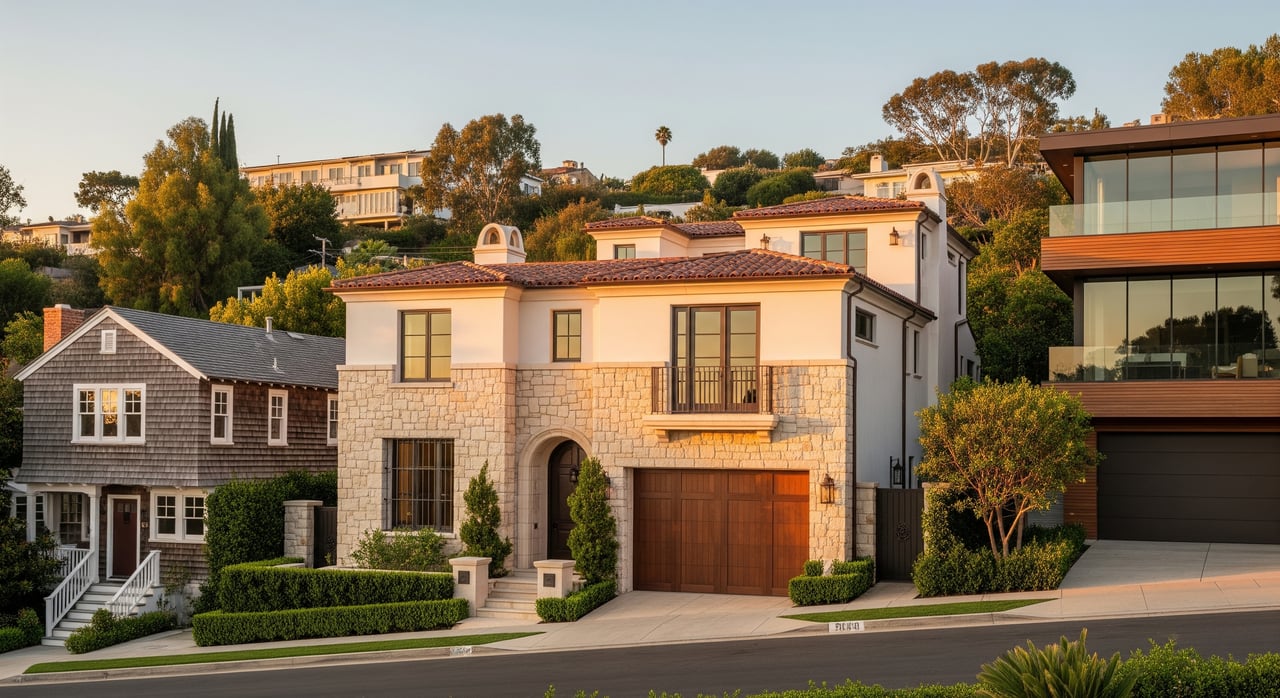
Already set on Pacific Palisades but not sure which pocket fits you best? It is a common crossroad for buyers who love the coast, but want the right mix of home style, lot size, and access to the Village or beach. In this guide, you will get a clear, side‑by‑side look at the Palisades’ micro‑neighborhoods so you can match your lifestyle to the right streets before you write an offer. You will also learn practical due diligence steps for hillside and bluff properties. Let’s dive in.
Quick map: how the Palisades breaks down
Pacific Palisades sits between the Santa Monica Mountains and the Pacific Ocean, with a mix of bluffside, hillside, and inland tracts. Local labels are informal and can overlap, so think in terms of pockets rather than strict borders. For parcel‑level details, use the LA City Planning ZIMAS mapping tool and slope or topography overlays from USGS TopoView.
Palisades Village and adjacent streets
- Housing and styles: Smaller single‑family homes, cottages, duplexes, townhomes, and low‑rise condos. You will see Craftsman bungalows, Spanish Revival, cottage and Cape Cod remodels, plus modern updates.
- Lots and buildability: Generally smaller parcels, often 3,000 to 8,000 square feet, with narrow rectangles. Additions are possible but space is tight.
- Topography and access: Lower elevation and walkable blocks. Standard driveways and easier street parking compared with hillside pockets.
- Nearby amenities: Steps to Palisades Village shops and dining, quick access to Sunset Boulevard and Pacific Coast Highway.
Coastal bluffs: Castellammare, El Medio Bluffs, Huntington Palisades
- Housing and styles: Primarily single‑family homes, ranging from updated cottages to architect‑designed luxury builds. Mediterranean, contemporary, and glass‑forward designs that maximize ocean views are common.
- Lots and buildability: Parcel sizes vary. Irregular lot shapes and bluff edges can limit usable yard area and add engineering complexity.
- Topography and access: Steeper streets and driveways. Expect geotechnical considerations, retaining walls, and careful drainage planning.
- Nearby amenities: Close to bluff‑top parks and short drives to Will Rogers State Beach. Quick connections to PCH and Sunset from most streets.
The Riviera and inland hillside tracts
- Housing and styles: Winding streets with larger single‑family homes, from mid‑century and ranch to Mediterranean and contemporary remodels.
- Lots and buildability: More varied parcel shapes and slopes than inland flats. Many properties support expansions, but hillside standards may apply.
- Topography and access: Elevation changes and tree‑lined curves. Some homes have steep driveways or switchbacks.
- Nearby amenities: Under a 5 to 10 minute drive to the Village depending on the street, short drives to Sunset and PCH.
Marquez Knolls and Marquez Highlands
- Housing and styles: Predominantly single‑family homes on more regular lots. You will see mid‑century ranch, Traditional and Cape Cod, plus newer custom builds.
- Lots and buildability: Many parcels are 7,000 to 15,000 square feet with flatter, more usable yards that are conducive to additions or ADUs.
- Topography and access: Gentler slopes and more conventional driveways. A good balance of space and access without the steepest grades.
- Nearby amenities: Short drive to the Village, quick access to Sunset, and easy beach trips via PCH.
Palisades Highlands
- Housing and styles: Newer suburban‑style tracts, often from the 1980s to 2000s with modern or traditional two‑story layouts. Homes tend to have larger footprints and more recent systems.
- Lots and buildability: Larger parcels, commonly 10,000 to 20,000 square feet or more in some enclaves, with good buildable area for expansion.
- Topography and access: Highest elevation and farthest inland. Streets feel more suburban with easier parking and conventional garages.
- Nearby amenities: Longer drive to the Village and beach. Quick access to upslope roads and mountain trailheads.
Canyons and smaller enclaves
- Housing and styles: A mix of cottages and custom homes tucked into canyons or along Temescal‑area side streets.
- Lots and buildability: Irregular shapes and variable slopes that require careful planning for additions.
- Topography and access: Narrow roads and unique driveway approaches. Delivery and construction access may be tighter.
- Nearby amenities: Quick reach to canyon trailheads and short drives to the Village or PCH depending on the canyon.
Pricing and property specifics vary by block and buildability. For precise comps and parcel details, ask your agent for current MLS data and relevant reports.
What changes most by pocket
Housing types and style mix
- Village streets: More attached options and smaller single‑family homes with historic charm and modern updates.
- Bluffs: Primarily single‑family, with a concentration of high‑design, view‑oriented builds.
- Hillside tracts and Riviera: Larger homes with a mix of eras and remodel levels.
- Marquez and Highlands: Predominantly single‑family with contemporary upgrades and more recent systems.
Lot size and buildability
- Smaller lots near the Village limit additions and yard size, but simplify maintenance.
- Mid‑sized, flatter parcels in Marquez and the Highlands support larger yards and easier expansions.
- Irregular, sloped parcels on bluffs and certain hillsides can require specialized engineering.
Topography and driveways
- Bluffs and steeper hillsides often include switchback or steep driveways, terraces, and engineered yards.
- Flatter tracts in Marquez and the Highlands offer conventional driveways and more usable outdoor areas.
- Canyon enclaves vary house to house, so a site visit matters more here.
Walkability and access
- Village‑adjacent streets offer the most day‑to‑day walkability for errands and dining.
- Marquez and some Riviera streets are a short drive to the Village.
- The Highlands trades walkability for space and newer construction, with longer drives to the coast.
Amenities and travel trade‑offs
Retail and dining
- The Village is the commercial heart. Village‑adjacent pockets win for walkable errands, coffee, and dining. Marquez and Riviera are a quick drive. The Highlands typically requires a longer drive.
Beaches and coastal access
- Bluffside neighborhoods sit closest to the shoreline and bluff‑top paths, with quick access to Will Rogers State Beach.
- Inland pockets reach the beach within a short drive via Sunset or PCH.
Parks and trails
- For mountain trails and open space, the Santa Monica Mountains National Recreation Area offers numerous nearby trailheads.
- For a historic ranch setting and trail network above the coast, explore Will Rogers State Historic Park.
Major roads and commutes
- Sunset Boulevard and Pacific Coast Highway are the primary arteries, with the 405 reachable via Sunset.
- Village‑adjacent areas have direct access to Sunset and PCH. Highlands and upper hillside streets sit farther from these corridors, which can add drive time.
- Transit is limited compared with denser parts of Los Angeles, so garage capacity and on‑street parking are worth noting if you own multiple vehicles.
Renovation insights by pocket
Coastal and hillside properties
- Expect higher site prep costs for foundation work, retaining walls, and drainage. Access for heavy equipment can add time and expense.
- Many projects must follow hillside development standards. Review the City’s Hillside Ordinance guidance from LADBS early in planning.
- Coastal or bluff‑adjacent parcels may involve additional setbacks or reviews. Buildability often depends on geotechnical findings.
Flatter parcels in Marquez and the Highlands
- Larger, more regular lots can simplify additions and ADUs. Construction staging is often easier and less disruptive to traffic.
- Standard plan check timelines may apply, subject to local rules and neighborhood overlays.
Village‑adjacent streets
- Compact parcels and tree‑lined blocks can limit expansion options and may require discretionary review in some scenarios.
- Multifamily buildings follow different zoning and permitting paths than single‑family homes.
Practical buyer checklist
Use this quick list during your search and inspections, especially for hillside or bluff properties:
- Request recent geotechnical reports and any bluff stability studies. If they exist, review them with your inspector or engineer.
- Inspect drainage, roof runoff, and any signs of water movement. Verify that water is directed away from foundations and neighboring lots.
- Evaluate retaining walls. Ask for permits, age, and any known repairs.
- Confirm recorded easements, access points, and utility rights of way that could affect buildable area.
- Check foundation type and any seismic retrofitting or hillside anchors.
- If close to a bluff or in the coastal zone, ask about coastal setbacks and erosion policies that might limit expansion.
- For mapping and slope research, use LA City ZIMAS and USGS TopoView.
How to choose your pocket
- Define your top two priorities. Examples include walkability to the Village, panoramic views, larger yard space, or easier renovation potential.
- Test drive times at rush hour. Compare routes via Sunset and PCH to your most frequent destinations.
- Tour at different times of day. Steeper streets and curved drives feel different at night and during deliveries or construction.
- Walk the block. Identify access angles, on‑street parking, and any steep approach to garages.
- Review buildability early. Before you fall in love, check parcel shape, slope, and setbacks with ZIMAS and request any available reports.
- Align your timeline and budget. If you plan a major remodel, start conversations with an engineer and contractor about hillside costs and permitting.
The bottom line
Each micro‑neighborhood in the Palisades offers a different balance of design, lot size, topography, and access. Village streets deliver the most walkable lifestyle. The bluffs offer drama and views, with more complex engineering. Marquez and the Highlands provide yard space and expansion potential, with a more suburban feel. If you focus on how you will live day to day, the right pocket becomes clear.
When you are ready to compare options on the ground, curate tours, and pressure‑test buildability, connect with The Kohl Team for local guidance and a design‑savvy approach that fits your goals.
FAQs
What defines Pacific Palisades micro‑neighborhoods?
- Micro‑neighborhoods are informal pockets recognized by locals, based on terrain, proximity to the coast or Village, and typical housing patterns rather than strict borders.
Which Palisades pocket is most walkable to the Village?
- The Village and adjacent streets offer the highest day‑to‑day walkability to shops, dining, and services compared with hillside or Highlands locations.
How do lots in Marquez Knolls compare to the Highlands?
- Both often have larger, more regular parcels than bluff areas, with Marquez commonly in the mid range and the Highlands frequently larger and more suburban in feel.
What due diligence is essential for bluff or hillside homes?
- Prioritize geotechnical reports, retaining wall permits and condition, drainage plans, and any coastal or hillside restrictions that could limit future work.
How far is the Highlands from the beach and Village by car?
- Drive times vary with traffic, but the Highlands is generally the farthest inland, often adding several minutes compared with Village‑adjacent or Marquez pockets.
Where can I verify slope, zoning, and parcel details?
- Start with the LA City Planning ZIMAS tool for parcel data and overlays, then review terrain with USGS TopoView before engaging engineers or the City.