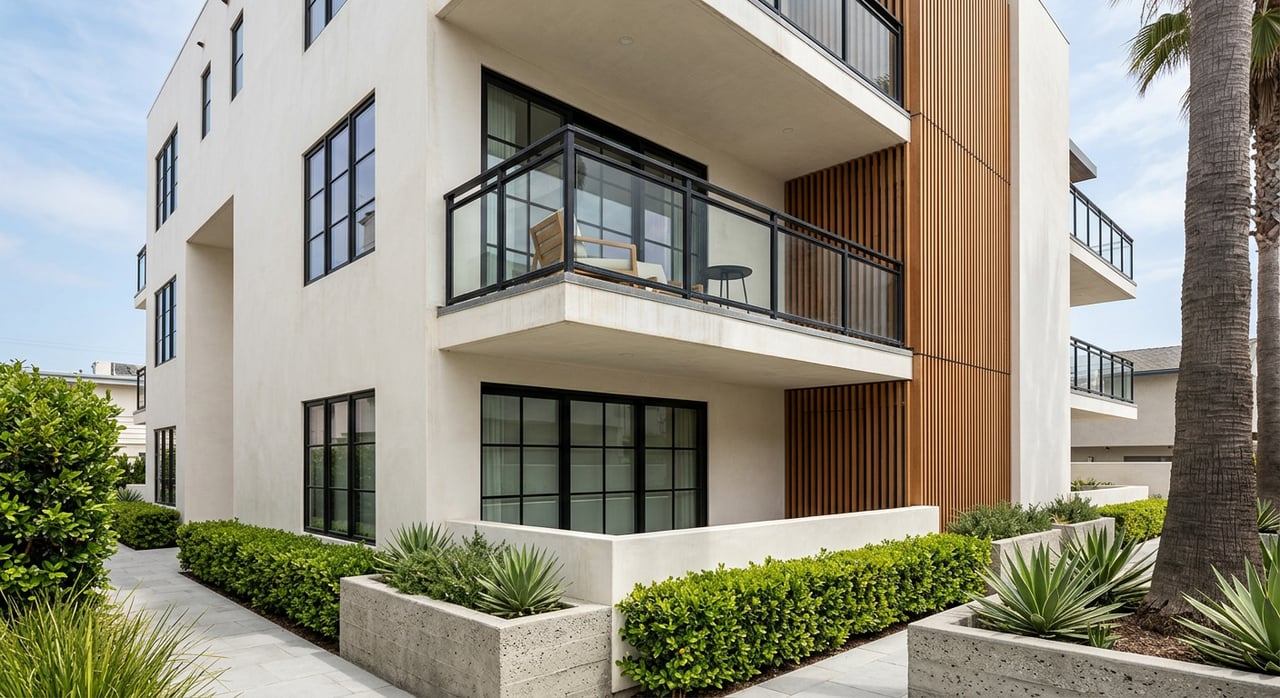
Thinking about buying a condo in Santa Monica? You are not alone. The beach, the light, and the walkable pockets make condo living here feel effortless — until you hit questions about layouts, HOA fees, parking, and coastal risks. This guide breaks it all down so you can shop with confidence and avoid surprises. You will learn what typical Santa Monica condos look like, how HOAs work in California, and what coastal living really means day to day. Let’s dive in.
What you will pay each month
Your monthly cost is more than your mortgage. In Santa Monica, HOA dues vary widely depending on building age, size, and amenities. Smaller vintage buildings can show dues in the low hundreds per month, mid‑rise communities often land in the $400 to $900 range, and full‑service or ocean‑adjacent towers can top $1,000 per month. Factor these dues into your loan qualification and long‑term budget.
What HOA fees usually include
HOA dues typically cover exterior building insurance on the common areas (the master policy), exterior maintenance, landscaping, and shared amenities. Some HOAs include water and trash. Coverage details depend on the master policy type. Many associations carry “bare walls” master insurance, which means you need your own condo (HO‑6) policy to cover interior finishes and personal property. For a clear overview of condo insurance basics, review this guidance on what condo insurance typically covers.
Insurance must‑knows
Your HO‑6 policy fills the gaps in the HOA’s master policy. It usually covers your interiors, contents, personal liability, and additional living expenses. Ask the HOA for the master policy deductible and limits. Higher deductibles increase your exposure if there is a claim. Consider adding loss assessment coverage to your HO‑6 to help with your share of a covered shortfall or deductible. This explainer on how HOA and condo coverage interact is a helpful primer.
Popular layouts and buildings
Santa Monica condo options span compact studios to sprawling ocean‑view residences. Understanding the typical footprints and building styles helps you narrow your search.
Common layouts
- Studios and 1‑bedrooms: Often 400 to 800 square feet, especially in older low‑rise buildings. Good for pied‑à‑terres or first‑time buyers who value location.
- 1–2 bedrooms: The most common range. Many run 800 to 1,400+ square feet and include in‑unit laundry, a patio or balcony, and one or two parking spaces.
- Larger and luxury units: Ocean Avenue and north‑of‑Montana addresses can deliver bigger floorplans, multiple parking spaces, and premium finishes, often with views and higher dues.
Building types you will see
- Low‑rise vintage walk‑ups: Built roughly 1930s to 1970s. Smaller HOAs and lower dues are common. Pay close attention to waterproofing, systems, and seismic requirements given the age.
- Mid‑rise podium and townhouse complexes: Generally 1980s to 2000s construction with deeded garage parking, shared roofs or decks, and moderate dues.
- Boutique and full‑service buildings near downtown and Ocean Avenue: Elevators, concierge or doorman, and amenities like pools and fitness rooms. Dues are higher but daily convenience can be excellent.
Amenities and dues tradeoffs
- Bare‑bones HOAs: Lower dues, minimal amenities. You handle more inside the unit and should verify your HO‑6 coverage is adequate.
- Mid‑tier communities: Add a pool, gym, roof deck, controlled access, and sometimes utilities. Dues rise, but reserves can be healthier if well managed.
- Luxury service: Doorman, valet, on‑site management, and full amenity suites. Expect higher dues and more detailed reserve studies. Always review the reserve funding level and planned projects.
How HOAs work in California
California’s Davis‑Stirling Act sets clear rules for HOA governance, disclosures, and reserves. Reading the HOA documents takes time, but it is the best way to protect your investment.
Reserve studies and percent funded
Associations must periodically inspect common areas and prepare a reserve study, then share a funding disclosure summary each year. The reserve study and the percent funded metric tell you whether the HOA has money set aside for future capital work. Review the Annual Budget Report and the reserve study summary required under Civil Code §5550 and the funding disclosures described in Civil Code §5570. Low reserves can point to near‑term special assessments.
Balconies and waterproofing
Balconies, decks, and elevated walkways face more wear in a marine climate. California requires focused inspection and reporting on these “exterior elevated elements,” which are defined in Civil Code §5551. In escrow, look for recent inspection reports, waterproofing work dates, and planned repairs in the minutes and budget.
Special assessments, litigation, and disclosures
Ask for the full HOA resale or disclosure package. It should include CC&Rs, bylaws, rules, three years of meeting minutes, the current budget, the latest reserve study, a summary of any planned or pending assessments, and the master insurance details. The assessment and reserve funding disclosure form is required content under Civil Code §5570. If there is pending litigation, review counsel letters and minutes for scope and risk.
Coastal living tradeoffs to weigh
Living by the beach is special. It also comes with patterns you should factor into your decision.
Walkability and noise
Downtown, the Promenade, and Ocean Avenue are the most walkable, close to cafés, shopping, and transit. They also host events and nightlife, so weekend and evening noise can be part of the experience. Quieter, tree‑lined blocks sit farther north and inland with fewer high‑rise buildings. Match your daily rhythm to the neighborhood that fits best.
Parking and permits
Many condos include one assigned or deeded garage space. Older buildings may offer unassigned or no onsite parking. Street and structure parking are managed by the city, and rules vary by zone. Before you buy, confirm the number of spaces with the deed and HOA map, ask about guest parking, and review the city’s parking programs and permits so you know how visitor passes and beach‑area permits work.
EV charging readiness
If you own an EV or plan to, ask about electrical capacity, whether your stall can be wired for 240V, and the HOA’s policy for owner‑installed chargers. California protects an owner’s right to install a station in a deeded or designated space, subject to reasonable technical and insurance conditions. Learn the basics of your “right to charge” from this summary of California EV charging rights for condo owners.
Flood, sea level rise, and waterproofing
Coastal areas face tidal and storm‑related flooding risks over time. State vulnerability assessments project more frequent inundation events and shoreline retreat in certain segments of the coast. If a property sits close to the beach, bluffs, or low‑lying areas, verify its FEMA flood zone and ask for a bindable flood quote early in escrow. For context on statewide coastal risk, see the California Coastal Commission’s sea level rise vulnerability report. In any coastal building, request documentation on deck and balcony waterproofing cycles, since marine exposure can accelerate wear. The elevated element inspection rules in Civil Code §5551 are particularly relevant.
Seismic risk and required retrofits
Santa Monica has a local program that identifies certain building types for seismic retrofit. Ask if the building you are considering is on the city’s retrofit list, whether screening has been completed, and if any assessment has been levied. Large retrofits can affect timing and cost. To understand the city’s planning framework for safety and retrofit initiatives, review the Safety Element resources in the city’s planning documents here.
Airport and flight path awareness
If you are sensitive to aircraft noise, note that the Santa Monica Airport remains active while the city plans for closure by the end of 2028 under settlement terms. Operations and policy discussions may affect noise patterns until then. You can track legal and planning context through summaries like this airport law digest update.
Neighborhood quick guide
- Downtown / Promenade: Most walkable and amenity rich, close to transit and the beach. Condos range from compact units to luxury towers. Expect higher dues in full‑service buildings and more weekend activity.
- Montana Avenue and North of Montana: Quieter streets with boutique retail along Montana Avenue. Condo stock is more selective and often higher priced, with many low‑rise or townhouse‑style options.
- Ocean Park, Pico, and Mid‑City pockets: A mix of older low‑rise condos and townhomes at price points that can be more accessible relative to Ocean Avenue and Montana corridors, with beach access within several blocks in many areas.
- Sunset Park and inland blocks: Primarily residential feel with smaller multifamily buildings mixed in. Inventory can be steadier and pricing often a step below ocean‑adjacent addresses.
Your buyer due‑diligence checklist
Use this list to keep your escrow organized and focused on the right risks and benefits.
Documents to request:
- Full HOA resale packet: CC&Rs, bylaws, rules, three years of minutes, current budget, latest reserve study with percent funded, reserve and operating account statements, master insurance declaration, and the assessment and reserve funding disclosure required under Civil Code §5570.
- Building reports: Any deck/balcony inspection results and waterproofing records consistent with Civil Code §5551, roof replacement dates, elevator service logs, pest reports, and seismic screening or engineering for retrofits.
- Insurance details: Master policy limits, deductibles, covered perils, and claims history. Share this with your insurance broker to tailor your HO‑6, including contents, loss of use, and loss assessment coverage. For a refresher on key coverages, see this condo insurance guide.
Questions to ask the listing agent or HOA manager:
- What is the percent funded in the reserve study, and what are the top three capital projects planned in the next five years? Confirm figures in the Annual Budget Report per Civil Code §5550.
- Any special assessments in the last five years or assessments planned? Request the minutes and budget votes.
- Is parking deeded or assigned, and how many spaces transfer with the unit? Are there guest passes and limits under city parking programs?
- Has the building completed required seismic screening, and is a retrofit or assessment pending? Review any permits or engineering.
- What is the master policy deductible, and does the association carry earthquake coverage? Consider loss assessment coverage as explained in this HOA insurance overview.
- For EV owners: Is the stall prewired, is submetering allowed, and what are the steps for owner‑installed chargers under California’s right‑to‑charge protections?
How to choose with confidence
Choosing the right Santa Monica condo is about alignment. Match your daily routine to the right neighborhood, your budget to the right amenities, and your risk comfort to the building’s reserves and maintenance history. Read the HOA documents closely, verify parking and EV readiness, and ask early about flood and seismic exposure. With a clear plan, you can enjoy the best of coastal living without costly surprises.
If you would like a second set of eyes on a disclosure packet or want help targeting buildings that fit your lifestyle, reach out to The Kohl Team for thoughtful, local guidance and a design‑savvy approach to condo buying on the Westside.
FAQs
How do Santa Monica HOA fees affect my loan approval?
- Lenders include monthly HOA dues in your debt‑to‑income ratio, so higher dues can lower the mortgage amount you qualify for. Ask your lender to model multiple HOA scenarios before you shop.
What does California’s HOA reserve study mean for buyers?
- The reserve study and percent funded show whether the HOA has money set aside for future repairs. Low funding can point to near‑term special assessments, so review the Annual Budget Report and disclosures under Civil Code §§5550 and 5570.
What should I know about parking for Santa Monica condos?
- Confirm whether parking is deeded or assigned, how many spaces transfer, and if there is guest parking. Review city rules for permits and visitor passes to avoid surprises.
How do coastal flood and seismic risks impact a condo purchase?
- Near the beach or bluffs, verify FEMA flood zones and get a flood quote early. Ask whether the building is on the city’s seismic retrofit list, if screening is complete, and whether any retrofit assessment is planned.
Can I install an EV charger in my condo parking space?
- California law supports an owner’s right to install a charger in a deeded or designated space, subject to reasonable conditions. Ask the HOA about electrical capacity, insurance, and the step‑by‑step process.