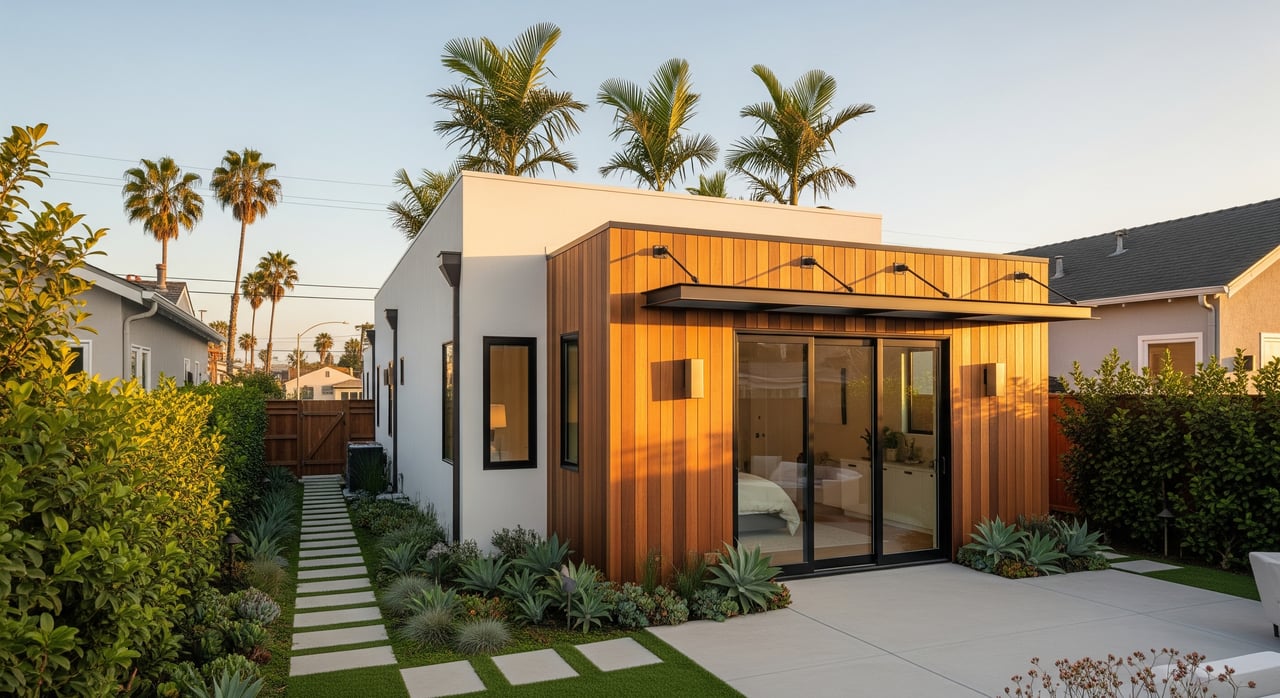
Wondering if an ADU in Venice could pay for itself while adding flexible living space? You are not alone. With strong rental demand and limited land near the beach, ADUs have become a smart way to unlock income, support multigenerational living, and boost resale appeal. In this guide, you will learn the basics of ADUs in Venice, what they cost, how returns pencil out, and the rules that shape design and permitting so you can move forward with confidence. Let’s dive in.
What an ADU is in Venice
An accessory dwelling unit is a self-contained home on the same lot as a primary residence. In Venice and the broader City of Los Angeles, you typically see four forms:
- Detached ADU: A separate structure in the yard.
- Attached ADU: An addition or a connected unit to the main home.
- Conversion ADU: A garage, accessory building, or interior space converted to living space.
- Junior ADU (JADU): Up to 500 square feet, typically carved out of the existing home with a small kitchen.
ADUs suit Venice because they add usable space on small lots and can produce rental income in a high-demand market. They also give buyers and future tenants flexibility, which can support resale value.
Rules and permits in Venice
State rules that shape approvals
Since 2017, California laws have streamlined ADU approvals and limited local barriers. Many ADU applications are processed through ministerial reviews, which are designed to be predictable and faster than discretionary neighborhood reviews. You still need to follow local processes and building codes, but the pathway is clearer than it used to be.
City of Los Angeles requirements
The City of Los Angeles implements state law through the Department of Building and Safety and City Planning. You will work through checklists, plan reviews, and building permits for your specific ADU type, whether it is a conversion, attached, detached, or a JADU. Certain impact fees may be limited for smaller ADUs, but you should still plan for plan-check fees, building permits, and potential sewer or water connection costs.
Coastal Zone and Venice overlays
Parts of Venice sit in the California Coastal Zone. If your property is in this area, you may need a Coastal Development Permit or additional design review. That can add time and introduce guidelines for issues like visual impacts, setbacks, and public access. Some blocks may also fall within historic or special planning overlays, which can trigger additional design constraints.
Parking, setbacks, and occupancy
State rules reduce many parking and owner-occupancy restrictions for ADUs. In Venice, transit access and walkability often lower parking requirements, but site-specific conditions still matter. Setbacks, lot coverage, and placement are governed by local zoning, so a property review early in design is essential.
Short-term rental rules
Los Angeles enforces a citywide short-term rental program. ADUs used as short-term rentals can be subject to specific eligibility, registration, and host requirements that change over time. If short-term income is part of your plan, confirm current rules with the City of Los Angeles before you build.
What it costs to build in Venice
Cost components to budget
Every ADU includes four main buckets:
- Design and permitting: Architect or designer, structural engineering, plan-check, and permit fees. Coastal or overlay reviews can add cost.
- Site work: Demolition, grading, foundation work, and utility trenching.
- Construction: Framing, roofing, plumbing, electrical, HVAC, insulation, and finishes.
- Soft costs and contingencies: Inspections, landscaping, financing fees, and a buffer for scope surprises.
Separate utility meters are optional in many cases, but your lender and utility providers may influence what is required for your project.
Typical Venice cost ranges
Venice tends to skew higher than many inland neighborhoods because of labor rates, coastal reviews, and premium finishes. Recent ranges include:
- Garage or interior conversion: About $80,000 to $200,000 or more.
- Attached ADU: About $150,000 to $350,000 or more.
- Detached ADU: About $200,000 to $500,000 or more.
- High-end detached near the coast: Can exceed $500,000.
Material and labor prices have been volatile in recent years, so build a contingency into your budget. Local site conditions, design choices, and utility upgrades can shift costs quickly.
Fees and utility connections
Impact fees depend on ADU size under state rules, and some smaller units may see reduced fees. Sewer and water connection or capacity fees can still apply, depending on the size and use. In Venice, confirm these items early with the City of Los Angeles and utility providers to avoid surprises.
Returns, rents, and value
Venice rent context
Venice is a high-demand rental area within Los Angeles, especially for studios and one-bedroom units near amenities and the beach. Long-term rentals tend to command rates at or above city averages, depending on size and finishes. Short-term rental income has been higher historically for some owners, but regulations, seasonality, and enforcement add risk and require compliance.
Example ROI scenarios
Below are three illustrative long-term rental scenarios using a conservative 35 percent operating expense ratio for taxes, maintenance, insurance, management, and vacancy. Actual returns depend on your costs, location, and financing.
Scenario A: Garage conversion
- Construction cost: $120,000
- Rent: $2,200 per month
- Gross annual rent: $26,400
- Estimated expenses (35 percent): $9,240
- Estimated NOI: $17,160
- Approximate cap rate: 14.3 percent
- Simple payback: about 7.0 years
Scenario B: Mid-range detached ADU
- Construction cost: $300,000
- Rent: $3,200 per month
- Gross annual rent: $38,400
- Estimated expenses (35 percent): $13,440
- Estimated NOI: $24,960
- Approximate cap rate: 8.3 percent
- Simple payback: about 12.0 years
Scenario C: High-end detached near beach
- Construction cost: $500,000
- Rent: $4,500 per month
- Gross annual rent: $54,000
- Estimated expenses (35 percent): $18,900
- Estimated NOI: $35,100
- Approximate cap rate: 7.0 percent
- Simple payback: about 14.2 years
Short-term rentals can change these outcomes, but rules, vacancy, and seasonality can also reduce predictability. Financing terms will affect cash-on-cash returns, so review interest rates, loan-to-value limits, and payment schedules for your situation.
Resale and appraisal
An ADU can add market value by increasing usable square footage and offering rental flexibility. Appraisers often consider both comparable sales and an income approach when the unit is rented. To protect value at resale, ensure the ADU is fully permitted and built to code, since unpermitted work can reduce buyer confidence and hinder financing.
Timeline, financing, and planning
How long it takes
Simple conversions with complete plans may move from permits to completion in a few months. A typical detached ADU often runs 6 to 12 months from design to occupancy. If your property falls in the Coastal Zone or within special overlays, plan for a longer schedule due to additional reviews.
Financing options to explore
Many owners use one or more of these options:
- Cash
- Home equity line of credit or home equity loan
- Cash-out refinance
- Construction-to-permanent loan
- Personal or developer-backed financing
Some lenders offer ADU-focused programs. Underwriting may consider how the ADU influences property value and potential income.
Insurance, taxes, and utilities
Notify your insurer before you start. You may need additional dwelling coverage once the ADU is complete. Adding an ADU can affect assessed value and property taxes, even with Prop 13 protections on your primary residence, so review the implications with the Los Angeles County Assessor. Decide early whether to pursue a separate meter, since that choice can impact tenant billing and sometimes financing.
Avoid common pitfalls
Check feasibility early
Before finalizing design, confirm zoning, setbacks, lot coverage, and floor-area limits for your lot. Identify whether your address is in the Coastal Zone, a historic district, or a special planning overlay that may require design review. Review utility capacity, sewer lateral requirements, and site access, including alleys and easements.
Understand STR and use limits
If you are considering short-term rentals, confirm the latest City of Los Angeles requirements and registration steps. Many owners ultimately choose long-term leases for simpler compliance and steadier occupancy.
Plan for smarter resale
Keep a complete record of plans, permits, inspections, and warranties. Quality finishes, thoughtful layout, and permitted status can support value when you sell. In Venice, buyers often respond well to flexible, design-forward ADUs that photograph and show beautifully.
How The Kohl Team can help
If you are exploring an ADU as part of a purchase, sale, or long-term plan, you deserve local guidance that blends market insight with thoughtful presentation. Our team helps you understand how an ADU will influence value, buyer demand, rental potential, and timing in Venice and across the Westside. We also advise sellers on positioning ADU-equipped homes for a premium outcome and support relocating owners with rental placements when that is the right strategy.
When you are ready to discuss your property and goals, we are here to help with a tailored, design-forward approach that fits Venice. Connect with The Kohl Team to map the best path for your ADU.
FAQs
What is an ADU and how it fits Venice
- An ADU is a secondary home on your lot that can provide flexible living space or rental income, which suits Venice’s small lots and strong rental demand.
How much a Venice ADU typically costs
- Conversions often run about $80,000 to $200,000, attached units about $150,000 to $350,000, and detached units about $200,000 to $500,000 or more, depending on finishes and site.
What permits Venice ADUs usually require
- You will need City of Los Angeles plan review and building permits, and if in the Coastal Zone or overlays, additional coastal or design reviews may apply.
How long Venice ADUs take to build
- Simple conversions can be finished in a few months once permitted, while detached ADUs commonly take 6 to 12 months from design through construction, with coastal reviews adding time.
Whether Venice ADUs can be short-term rentals
- Some ADUs may qualify, but Los Angeles has specific short-term rental rules and registration steps that change over time, so confirm current requirements before relying on STR income.
How an ADU influences resale value in Venice
- A well-permitted, well-designed ADU can support resale value through added space and potential income, while unpermitted work can harm marketability and financing.